
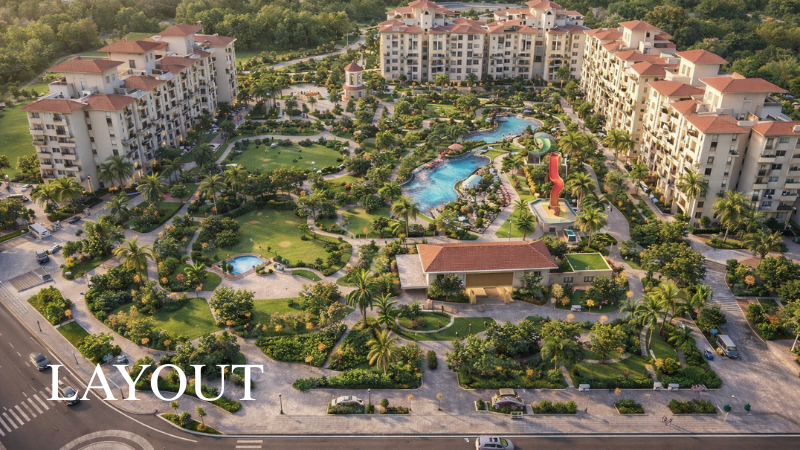
A quiet identity as a Mumbai suburb once defined Thane, even though land availability, lakes, and road access already hinted at larger potential. Over time, infrastructure planning, employment expansion, and structured residential development started working together, and as a result, Thane gradually shaped a complete urban character. A present-day view of Thane shows a city that no longer depends on Mumbai for daily living needs, even though economic links still remain strong.
An understanding of this transformation helps explain why integrated developments such as Hiranandani Westgate Thane are gaining importance and why such projects align closely with long-term urban demand.
Infrastructure Growth That Changed Daily Life
A major shift in Thane growth came through carefully planned infrastructure upgrades. Road networks, public transport planning, and regional connectivity improved smoothly, and daily commuting patterns changed significantly.
Eastern Express Highway strengthened direct access to Mumbai business districts, while Ghodbunder Road smartly connected Thane with western suburbs such as Borivali. Travel time predictability improved, and residential demand started expanding beyond short-term affordability reasons.
Metro Line 4 planning further strengthened this evolution. Faster rail-based transit between Wadala and Kasarvadavali started reshaping perception, even though construction remains in progress. Reduced dependency on road travel created confidence among working professionals, and in contrast to earlier years, long-term settlement became realistic.
Infrastructure upgrades that supported Thane growth include:
-
Highway connectivity enabling smoother movement toward Mumbai and Navi Mumbai
-
Metro expansion encouraging public transport adoption
-
Internal road widening supporting higher traffic volumes safely
Daily routines benefited directly from these improvements, and as a result, Thane gradually operated as a complete city rather than an overflow zone.
Employment Hubs That Reduced City Dependence
Employment growth played a similarly important role. Business parks, IT campuses, and corporate offices started operating within Thane itself, and consequently, daily travel to Mumbai reduced for many households.
Commercial zones near Ghodbunder Road and central Thane attracted companies seeking lower operational costs combined with professional infrastructure. Office spaces expanded thoughtfully, and supporting services followed naturally.
Employment clusters contributed through:
-
Local job creation across IT, finance, logistics, and services
-
Increased rental demand near commercial belts
-
Balanced work-life patterns reducing commute stress
In fact, Thane started offering a complete employment-residential loop, and surprisingly, this shift happened without compromising accessibility to Mumbai.
Residential Planning That Focused on Livability
Residential development patterns evolved alongside infrastructure and employment. Standalone buildings dominated earlier phases, even though civic load often exceeded planning capacity. Over time, large land parcels enabled township-style layouts, and developers adopted structured planning approaches.
Integrated layouts allowed better control over density, open spaces, and internal circulation. Residential planning improved beautifully with defined zoning, pedestrian movement, and social amenities planned from the beginning.
Planned residential growth included:
-
Wider internal roads and managed traffic flow
-
Schools, healthcare, and retail placed within reachable distances
-
Open areas integrated safely into housing layouts
This approach reduced dependency on external infrastructure, and consequently, daily living became smoother and more predictable.
Why Integrated Developments Are Becoming the Preferred Choice
Integrated developments gained preference because urban residents increasingly value predictability. A well-planned environment supports lifestyle continuity even during city-wide infrastructure stress.
Projects developed by experienced groups such as Hiranandani Group follow a long-term planning philosophy rather than short-cycle launches. Mixed-use planning brings residential, commercial, and retail functions together, and as a result, daily travel reduces naturally.
Integrated developments offer advantages such as:
-
Controlled urban design and architectural consistency
-
Professionally managed amenities and maintenance standards
-
Long-term value protection through phased development
In contrast to fragmented growth, integrated projects respond better to future population increase and infrastructure load.
Thane Transformation and the Role of Large-Scale Projects
Urban transformation in Thane favors projects that understand scale and planning discipline. Large developments with phased execution benefit most from infrastructure-led growth because absorption happens gradually and sustainably.
Hiranandani Westgate fits into this transformation through a township-style model. The project is currently under development, with multiple phases progressing carefully. Residential towers, commercial spaces, and internal infrastructure are being developed in stages, even though possession remains part of a future timeline.
Project characteristics aligned with Thane growth include:
-
Location within an evolving infrastructure corridor
-
Mixed-use planning supporting daily needs internally
-
Phased construction allowing gradual ecosystem formation
Booking availability exists during the development stage, and in contrast to completed neighborhoods, early-stage projects allow participation in long-term appreciation cycles.
What Kind of Projects Benefit the Most from This Urban Shift
Projects that benefit most from Thane evolution share common characteristics. Planning vision matters more than short-term pricing, and professional execution becomes critical.
The strongest beneficiaries include:
-
Integrated townships with residential and commercial balance
-
Developments located near metro and highway corridors
-
Projects led by experienced developers with long delivery records
Such developments align naturally with how Thane functions today as a self-sustaining urban centre rather than a peripheral suburb.
Final Perspective for Homebuyers and Investors
A clear understanding of Thane evolution helps in making informed decisions. Infrastructure growth, employment expansion, and residential planning worked together, and as a result, Thane emerged as a complete city with independent demand drivers.
Projects like Hiranandani Westgate Thane, currently under development, benefit directly from this transformation. As realtors, guidance focuses on long-term livability and value stability rather than short-term trends. Integrated developments positioned within infrastructure corridors stand to gain the most as Thane continues shaping a balanced urban future.
This transformation story explains why Thane is no longer a substitute for Mumbai, but a destination city that supports modern urban living gracefully and sustainably.
Leave a Reply